

The legal situation, the history and the risks of human trafficking
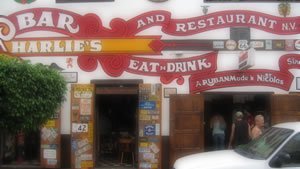
Aruba is sometimes associated with a "red light district" in San Nicolas. This page explains the background: what the law says, how the situation developed and why human trafficking is a serious concern. It is not a guide to finding sex work.
What the law says
The Criminal Code of Aruba does not make the sale of sex by adults a criminal offence as such. In practice, sex work has for decades been tolerated in a limited part of San Nicolas, under an administrative system that is not laid down in a single specific law.
Exploiting other people in prostitution is a crime. Under the human trafficking article of the Criminal Code (article 2:239), exploitation in prostitution, or knowingly profiting from it, can be punished with up to 12 years in prison, and more in aggravated cases, for example when minors are involved.
The age of consent in Aruba is 16. Paying for sex with anyone under 18 is a criminal offence.
Background
San Nicolas grew rapidly from the 1920s around the Lago oil refinery, which attracted thousands of workers from across the Caribbean and beyond. Bars and a red light area developed in the town during that period.
Most people working in the sector are women from abroad, mainly from Latin America. According to various reports they work in Aruba on temporary permits, combined with medical checks. The exact current rules are not published in one official source.
Human trafficking
Human trafficking is a real risk in this sector. In its 2025 Trafficking in Persons Report, the US State Department places Aruba in Tier 2: the government does not yet fully meet the minimum standards for eliminating trafficking but is making significant efforts. Earlier reports raised concerns about foreign women, particularly from Venezuela and Colombia, being exploited in bars in San Nicolas, for example through debts for accommodation fees.
Aruba has a Coordination Centre for Human Trafficking and Migrant Smuggling (CMMA), set up in 2016, and the Public Prosecution Service has a policy focused on combating human trafficking.
For visitors
- The area is not a tourist attraction. San Nicolas is well worth a visit for its street art, history and local character.
- Discover San Nicolas
- If you suspect human trafficking or exploitation, contact the police on 100, or 911 in an emergency.
Good to know
- Age of consent: 16
- Report exploitation: police 100, emergency 911
- Public Prosecution Service Aruba – human trafficking: omaruba.com
This article is for general information only and is not legal advice.
See also: more about Aruba.
Last updated: September 2026.