Plan your trip
Coming soon.
Practical information
Everything you need to know before you travel to One Happy Island: entry requirements, money, language, electricity, health, safety and more.
Entry requirements
Visitors to Aruba need a valid passport (Dutch citizens can also travel with their Dutch ID card) and a return or onward ticket. All travelers must complete the online Aruba ED card (Embarkation-Disembarkation card) before departure. Citizens of some countries also need a visa, so check the latest requirements for your nationality before you book.
Money
The local currency is the Aruban florin (AWG). US dollars are accepted almost everywhere, and credit cards are widely used in hotels, restaurants and shops. You will find ATMs in Oranjestad and around Palm Beach and Eagle Beach.
Language
Aruba's official languages are Papiamento and Dutch. English and Spanish are widely spoken, especially in the tourist areas.
Electricity
Aruba uses 110–127 volt electricity at 60 Hz with American-style plugs (types A and B). Visitors from Europe need a plug adapter, and a converter for devices that don't support 110 volts.
Weather
Aruba is sunny and warm all year round, with daytime temperatures around 28–32 °C (82–90 °F) and a refreshing trade wind. The island lies outside the main hurricane belt, and most of the little rain it gets falls between October and December.
Health and drinking water
Aruba's tap water is desalinated seawater and safe to drink. The sun is strong, so use reef-safe sunscreen and drink plenty of water. For medical care, go to Dr. Horacio E. Oduber Hospital near Eagle Beach.
Safety and emergency numbers
Aruba is one of the safest islands in the Caribbean. As anywhere, don't leave valuables in your car or unattended on the beach. The emergency number for police, fire and ambulance is 911.
Time zone
Aruba uses Atlantic Standard Time (UTC−4) all year round; there is no daylight saving time.
Getting around
Read more about car rental, public transportation and Queen Beatrix International Airport.
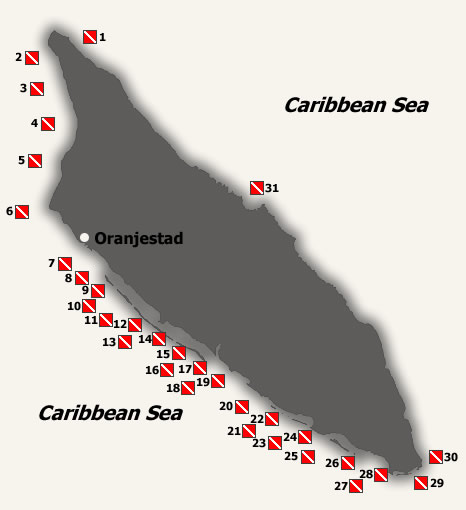
1. California Wreck (30'-15')
This fascinating wreck is located at a depth that is very exciting for underwater photography. The wreck is surrounded by large coral formations and an abundance of tropical fish. This dive location is only for advanced divers, due to currents and occasionally choppy seas.
The California made history as the ship that received, but did not react to, the S.O.S. signals from the Titanic. The ship is almost 100 years old and is on the north coast of Aruba. [Top]
2. Arashi Airplanes (35-40’)
A fascinating reef for "beginners." A sunken Lockheed Lodestar and twin engine Beechcraft sit in 50 & 20 feet of water, respectively. Surrounded by large coral formations and parrot and angel fish. [Top]
3. Antilla Wreck (60’)
Locally referred to as the "Ghost Ship" this German freighter (brand new at the time) was scuttled on May 10, 1940 when the Germans invaded Holland during World War II. The largest wreck in the Caribbean (400’ long), it is great for penetrations due to the large compartments of this vessel. Covered by giant tube sponges and coral formations, the wreck is surrounded by lobsters and tropical fish. [Top]
4. Malmok & Debbie II (70’)
Paths of wildly spread leaf and brain corals await you at this bottom-reef.This reef is known for its huge lobsters and stingrays taking their daily "siesta" waiting to be photographed. Giant barrel sponges in purple, orange and green are found everywhere. In 1992, a 120’ fuel barge was sunk as an additional attraction. The wreck attracts schooling fish and barracudas. [Top]
5. Pedernales (25’)
A beginner’s paradise offering a combination of large pieces of wreck spread out between coral formations. You can see sections of cabins, wash basins, lavatories, etc. as well as the pipe line system that goes with this oil tanker, which was torpedoed in 1942 during World War II by a German submarine. [Top]
6. Harbour Reef/Pilot Boat (40-100’)
Super dive! Gradually dropping through magnificent formations of hard and soft coral to an old pilot boat, where a pair of green morays await your arrival. On occasion spotted eagle-rays and stingrays can be seen. Favorite of many for good photography opportunities. [Top]
7. Sonesta Airplanes (15-60’)
Dive into these two airplanes, a Convair 400 and a Beech 18. The Convair sits in 40-60 feet of water and the Beech sits in 15 feet of water amist soft corals in a sloping reef down to 100 feet. [Top]
8. Sponge Reef (15-80’)
Aptly named! Home of the soft coral ranging from the orange elephant ear sponges to purple and yellow tube sponges. Lots of purple vase sponges and small basket sponges. Some interesting leaf and plate coral formations. Turtles often frequent this site. [Top]
9. Tire Reef (15-90’)
Lots of soft coral, sea whips, sea fingers, black coral and plenty of gorgonians and sea fans. Home of the green moray eel. On several occasions, we have spotted eagle rays cruising by. [Top]
10. Barcadera Reef (20-80’)
A very healthy and beautiful reef. Very dense reef with large coral formations. Many brain corals and an abundance of huge sea fans in the shallows. [Top]
11. Kantil Reef (40-110’)
Fascinating "drop off" with giant boulders of brain & star coral. Also an abundance of massive formations of leaf and sheet corals. Between 60 and 80’ you may see a sleeping nurse shark. [Top]
12. Skalahein (15-100’)
Beautiful coral formations, very colorful, lots of sponges. Magnificent deep-water gorgonians. Seahorses have been spotted hiding in the softcorals. The reef gradually slopes down to deeper water, excellent shallow dive. [Top]
13. Jane Sea Wreck (20-100’)
A 250’ cement freighter sitting upright on the bottom in 90’ of water. The wreck attracts lots of schooling tropical fish and large barracudas. Deep water gorgonians, sponges and coral growing on the wreck. Excellent for photography. [Top]
14. Plonco Reef (20-100’)
Home of the green moray! Large morays welcome you. Large lobsters can be found here scavenging the ocean floor for a bite to eat. Giant coral formations contour the landscape. [Top]
15. DePalm Slope (15-120’)
Magnificent coral formations sloping to great depths. Well known for its great barracudas. Excellent for drift diving. Spotted eagle rays are often seen on this sight. [Top]
16. Gino’s Choice (20-120’)
This site consists of a cool drop-off with huge brain and star coral leading down the slope to the bottom. Lots of sea fans salute you as you cruise along. [Top]
17. The Finger (20-120’)
The reef comes out like a finger pointing down to the deep water. Beautiful coral formations, sea fans in the sand surrounding the finger. Moral eels, tropical fish are seen every dive. Keep your eyes open for an occasional turtle cruising by. [Top]
18. Mike’s Reef (25-90’)
Enormous clusters of gorgonians, brain and star coral dominate Mike’s Reef. Brilliant purple and orange sponges form a breathtaking backdrop for the procession of colorful fish and barracuda that inhabit this site. [Top]
19. Mangel Halto Reef (15-110’)
A pronounced slope from 15’ down to 110’ gives you the opportunity to admire a myriad of coral combinations. You will see brain coral to deep water gorgonians, sea anemones, tube and vase sponges and all types of marine life from octopus to sea horses and schools of tropical fish. Accessible from the shore. [Top]
20. Spanish Lagoon Reef (20-120’)
This site consists of a drop-off with huge brain and star coral leading down the slope to the bottom. Lots of seafans salute as you cruise along. [Top]
21. Isla de Oro Reef (20-90’)
The shallow portion of the reef offers many different combinations of brain, staghorn, star and plate coral. Lots of sea fans and soft coral also enjoy this site. Under the coral formations you can sometimes find lobsters. [Top]
22. Santo Largo (30-110’)
The slope starts in 30’ of water taking a drop as far as the eye can see. Awesome coral formations, lobsters, schooling fish overwhelm. [Top]
23. Commandeurs Reef (40-90’)
Sloping into the deep, formations of sheet and leaf coral rise to decorate this dive. Extensive marine life such as snappers, groupers, grunts and angel fish, while runner, jacks and barracuda patrol the area on occasion. [Top]
24. Lago Reef (120’)
Our deepest dive site with impressive levels of coral formations. Deep water gorgonians, sponges, sea anemones and numerous species of marine life. [Top]
25. Indian Head (25-90’)
A large formation that looks like a head. Brain and star coral formations, schooling tropical fish await. [Top]
26. The Cross (20-60’)
There is a 10’ memorial monument surrounded by beautiful coral formations, different soft corals and sea fans. Excellent drift dive. [Top]
27. Baby Beach Reef (20-60’)
Large formations of elkhorn coral, with sheet coral make a perfect place for crabs, octopus and lobster. Great visibility and accessible from the shore. [Top]
28. Santana Reef (20-50’)
Myriad of elkhorn and staghorn coral with an abundance of marine life. [Top]
29. Six Sisters (45-100’)
Huge rocks in the sand in 90’ of water. Rocks are covered with colorful sponges. Huge barrel sponges, sea fans, stingrays resting in the sand around the rocks. [Top]
30. Cabez Reef (50’)
Due to strong currents, for experienced divers only. Come face to face with barracudas, amber jacks and rainbow runners. Also known for stingrays. [Top]
31. Natural Bridge (20-110’)
Monster size boulders leave you in awe. Incredible formations of brain and star coral and plenty of fire coral. Also, black coral, sea fans and soft coral covering the bottom. Giant barrell sponges rise from the bottom to decorate the ocean floor. [Top]
Source Duiveguide.com
Great Photography Spots in Aruba
Just a few of the many sights to capture
 Aruba is without a doubt one of the most beautiful islands in the world. It seems to have it all. Of course, most people head here for the blistering sun and the beautiful beaches, but there is so much more to see here. In fact, photography in Aruba is pretty rampant. Take a good quality camera here and you will have images that you will treasure for a lifetime. Let’s take a little look at the best photography spots in Aruba. You could probably fit all of these into your vacation, so try to visit as many as you possibly can.
Let’s start with the beaches as this is where the majority of people will be heading. Of course, any of the beaches in Aruba are going to be perfect for taking photographs. However one of my favourites is Eagle Beach. It is here that you seem to be able to get the most stunning views of the beautiful blue sea. As a lot of boats sail through this area you really do get something that will ‘complete’ the image for you. I suggest for the best images you head down here just as the sun is setting. The water looks absolutely stunning.
If you want to get some sublime images of the beautiful natural landscape of Aruba then you absolutely need to head to Arikok National Park. This is going to be a fantastic day out and there are going to be a number of different locations for you to get trigger happy with your camera around here. This is a great day trip as there is so much to see around this area.
One of my favourite places for photographs is a little bit off the beaten track. That is the ‘Natural Pool’ located on the Windward Close. This is a beautiful rock pool located close to the coast of Aruba. It is completely enclosed and makes for some great photography. You should be able to pick up a lot of shots around this area. I suggest you set to a low shutter speed in order to capture the tranquil nature of this area, although feel free to let your artistic talents shine through.
The final place I want to mention is De Palm Island. This is an island off the coast of the main island of Aruba. You will need to take a boat to get here. You will need to waterproof your camera first as the best images are going to be located under water. This is probably one of the best places for snorkelling and there is some stunning underwater life to capture. There are also some pretty great places to capture whilst on the island as well.
As I said at the start, this is just a brief outline of the best photography spots in Aruba. These are the ‘must visit places’ on the island. However, if you wander around camera in hand at all times then I am sure you will find a plethora of different places for you to enjoy.
Aruba Carnival 2013
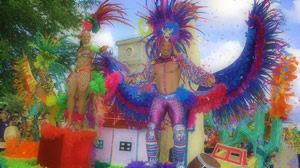 The Carnival celebration in Aruba is one month of events and street parties, commonly referred to as "jump-ups." Aruba Carnival 2013 will be no exception. The highlights of the schedule include music, grand parades, unusual contests, and elaborate celebrations. The Light It Up Event that starts the Aruba Carnival 2013 celebration will be held on January 4th.
Aruban Carnival is a long-standing tradition that began in 1921 with costume parties and lavish balls at the locations of social clubs. Modern Carnival features large public events that occur mainly in the streets. Many tourists plan their vacations to Aruba in order to witness the huge party that is Aruba Carnival.
A variety of events attract the public to the celebrations. From beer festivals to children's parades, there is something for everyone at Carnival. The street parties are alive with music and dancing. Many people enjoy participating in the contests held each year. Three warm up parties are held to promote the three best-selling beers in Aruba.
The Hebbe Hebbe Happening is designed to promote Heineken beer. The Ban Djo Djo Happening and Flip Flop parties celebrate beers produced by the National Brewery of Balashi. The parties are held on different parts of the island and feature live entertainment such as musicians, giveaways of souvenirs, and plenty of beer.
Numerous parades will be held during this festive time. The parades include lots of music, decorated floats, and colorful costumes. Parades are held in San Nicolas and Oranjestad. Several children's parades are scheduled for the 2013 Aruba Carnival. The lighting parades have brilliantly lit costumes and floats. Several lighting parades are held in the evenings during Aruba Carnival 2013. The final parade is called the Grand Evening parade.
A Carnival Queen is elected during the event. The queen promotes the Aruban Carnival and leads parades. The queen may make public appearances to encourage the public support of the traditional celebration. A youth queen and children's queen also are elected.
Unique contests are popular events during the weeks of Carnival. The Calypso and Roadmarch contest lasts for three days. Roadmarch music is rhythmic dancing music played at parades. The calypso music consists of songs about life in Aruba. The winners of the contests are crowned Calypso king or queen, Roadmarch king or queen, and youth king or queen. There is also a contest for Tumba artists.
The end of Aruba Carnival 2013 is the eve of Ash Wednesday. To mark the end of the celebration, "King Momo" is burned as is tradition with many Caribbean carnival celebrations. For the closing ceremony, the King Momo to be burned is usually a doll of a large man wearing flamboyant clothing. The world says goodbye to another Aruban Carnival until next year.